
Last updated August 26, 2026
Free on-site gate assessment - hinges, posts, and your LiftMaster or Nice gate operator checked before anything is quoted
The assessment is free and the quote is the invoice.
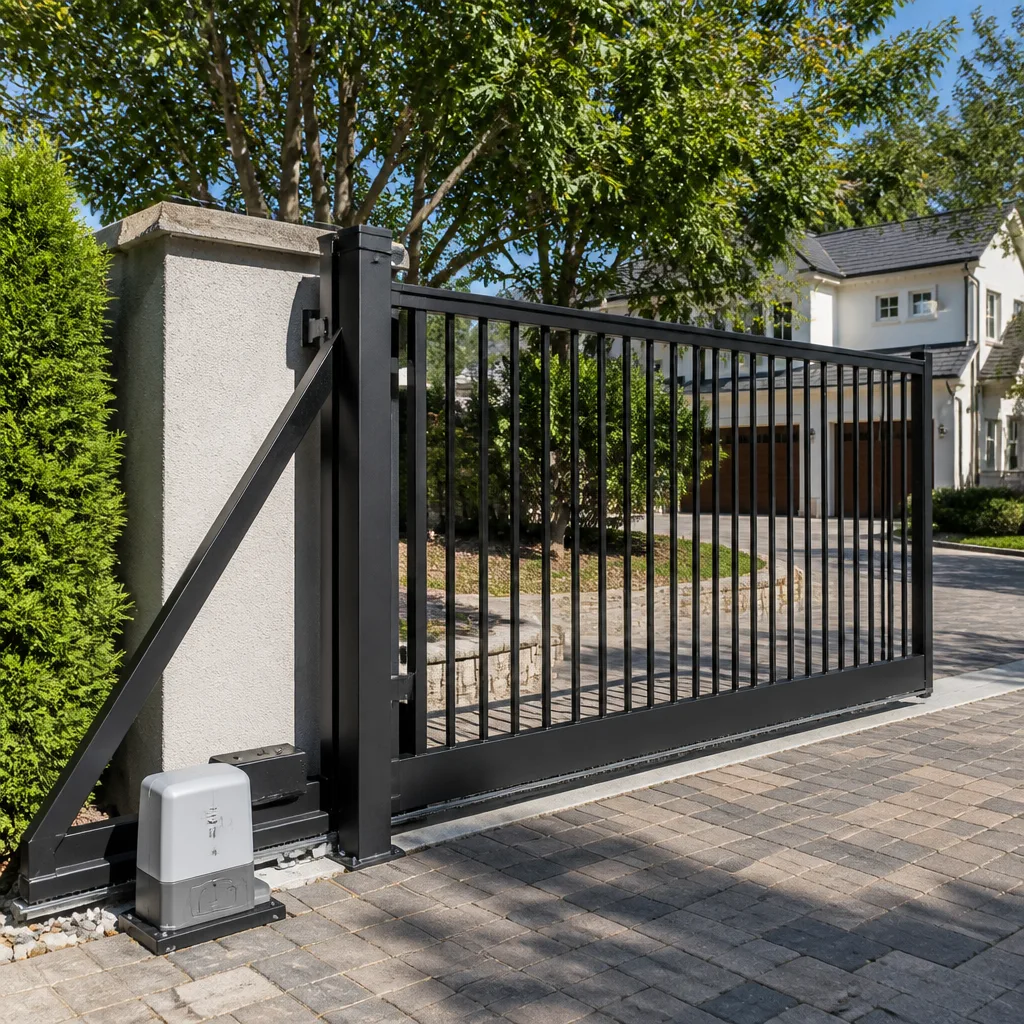
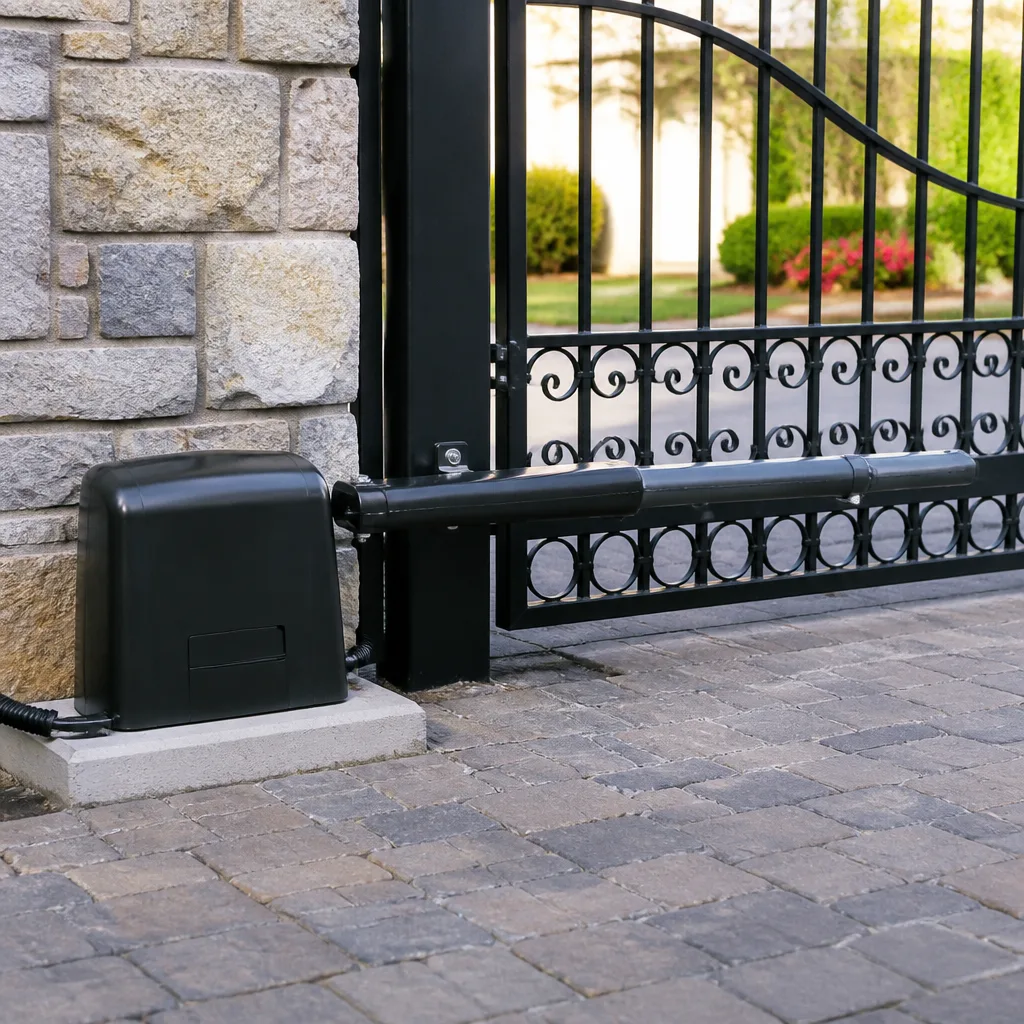
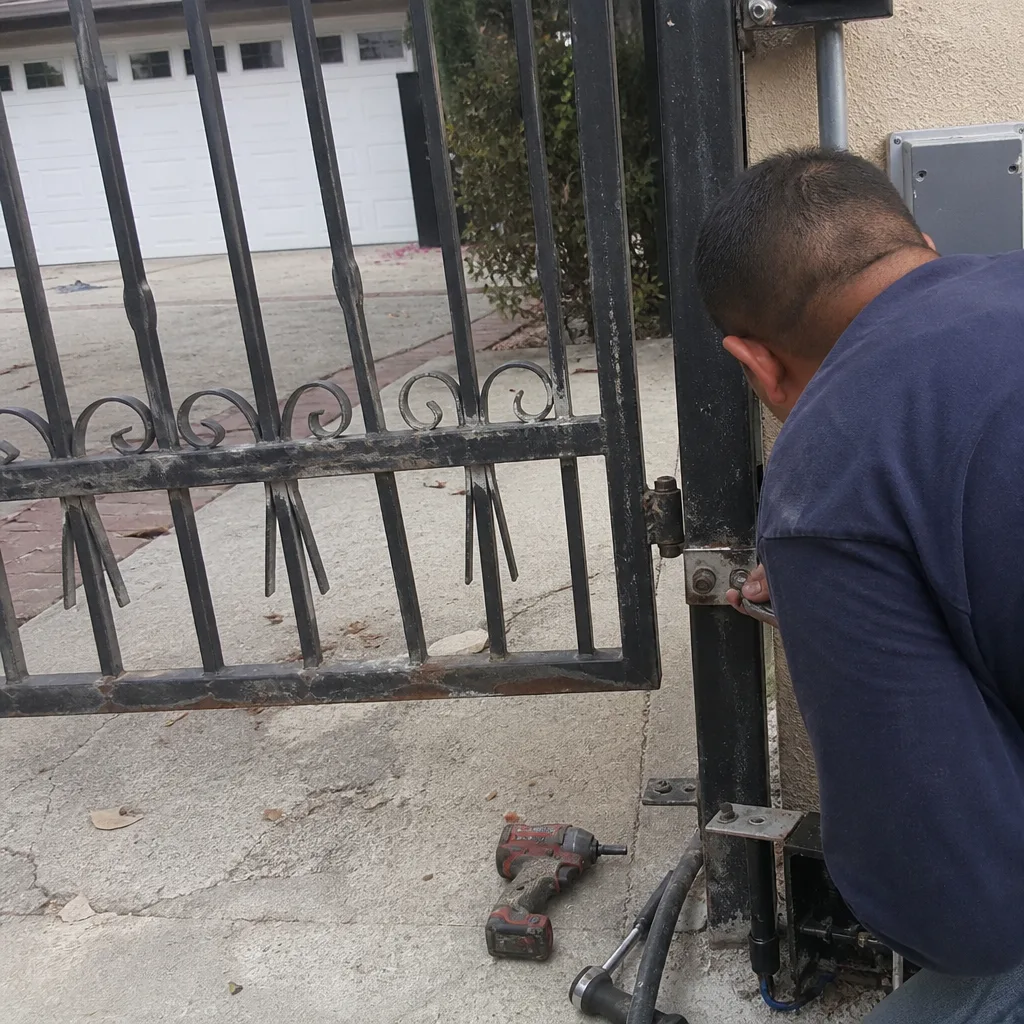 Before
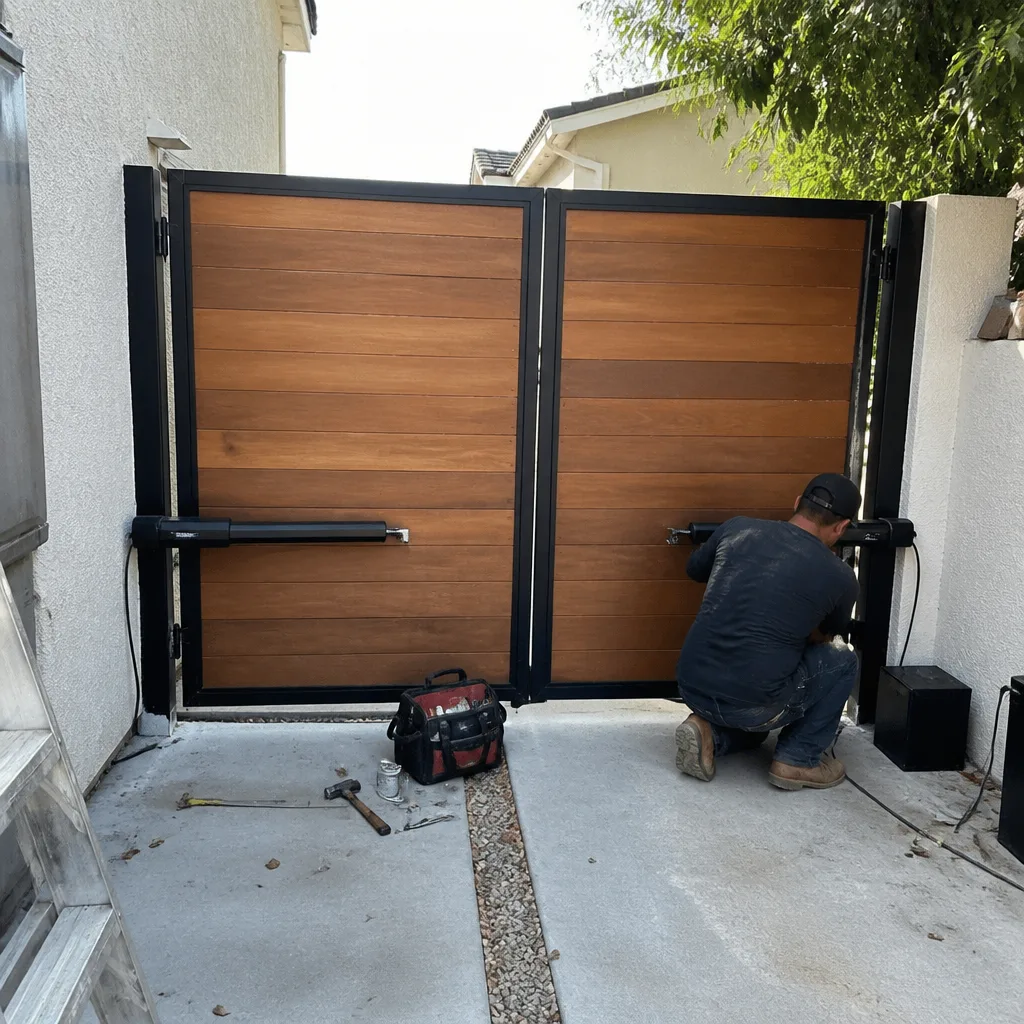 After
After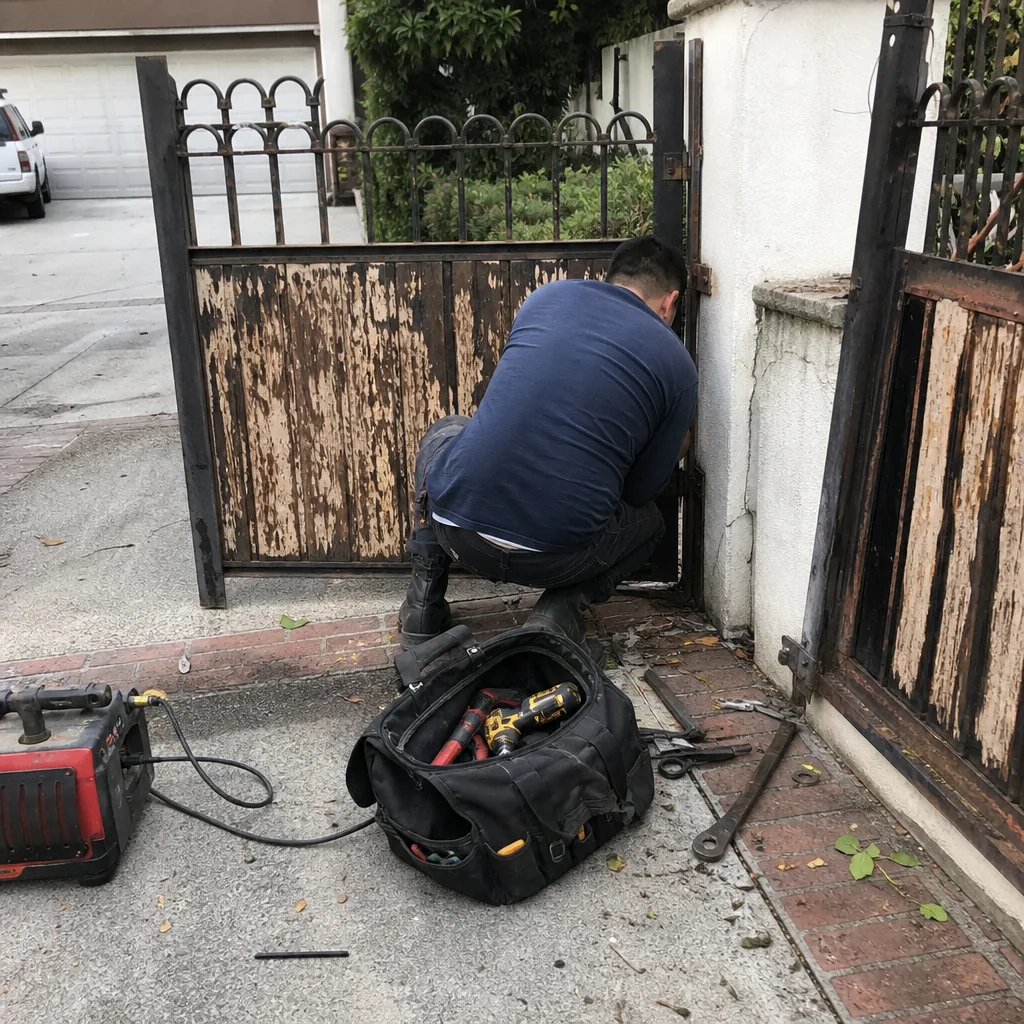 Before
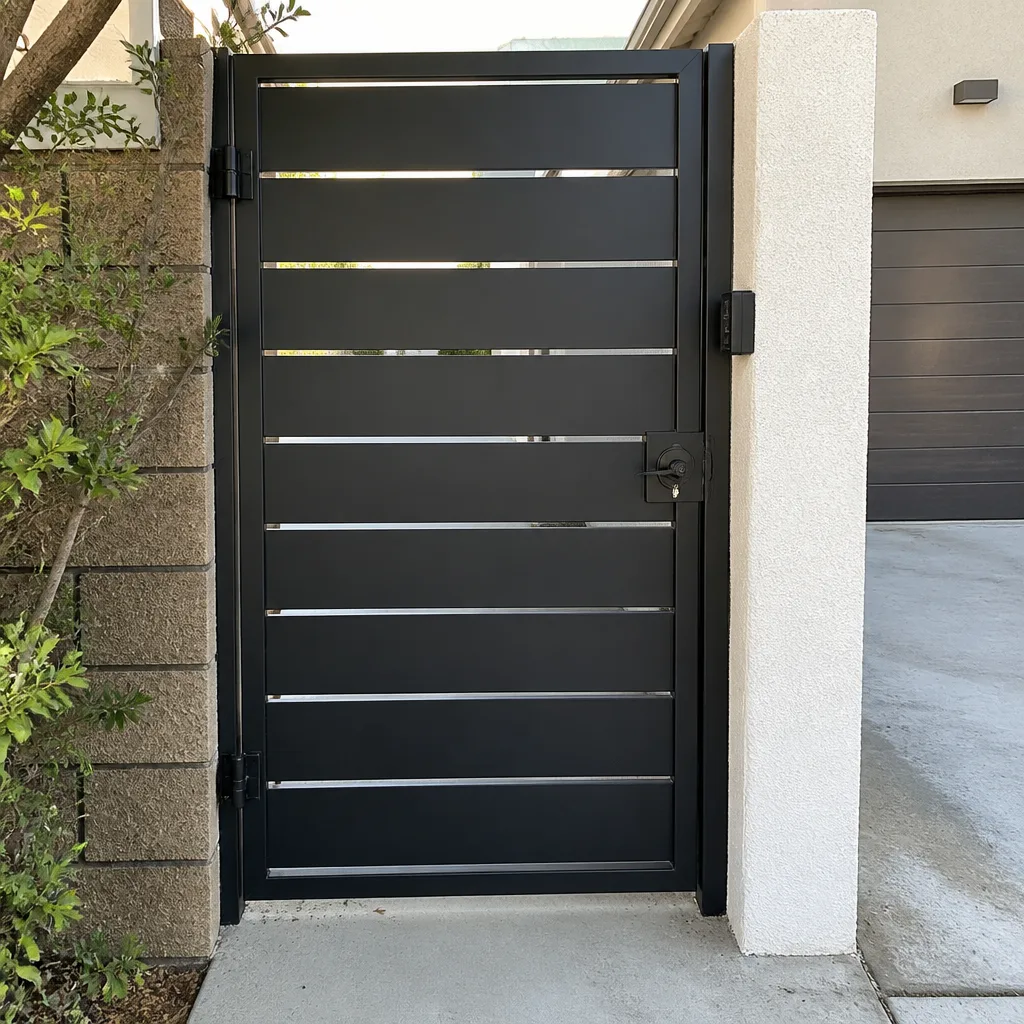 After
After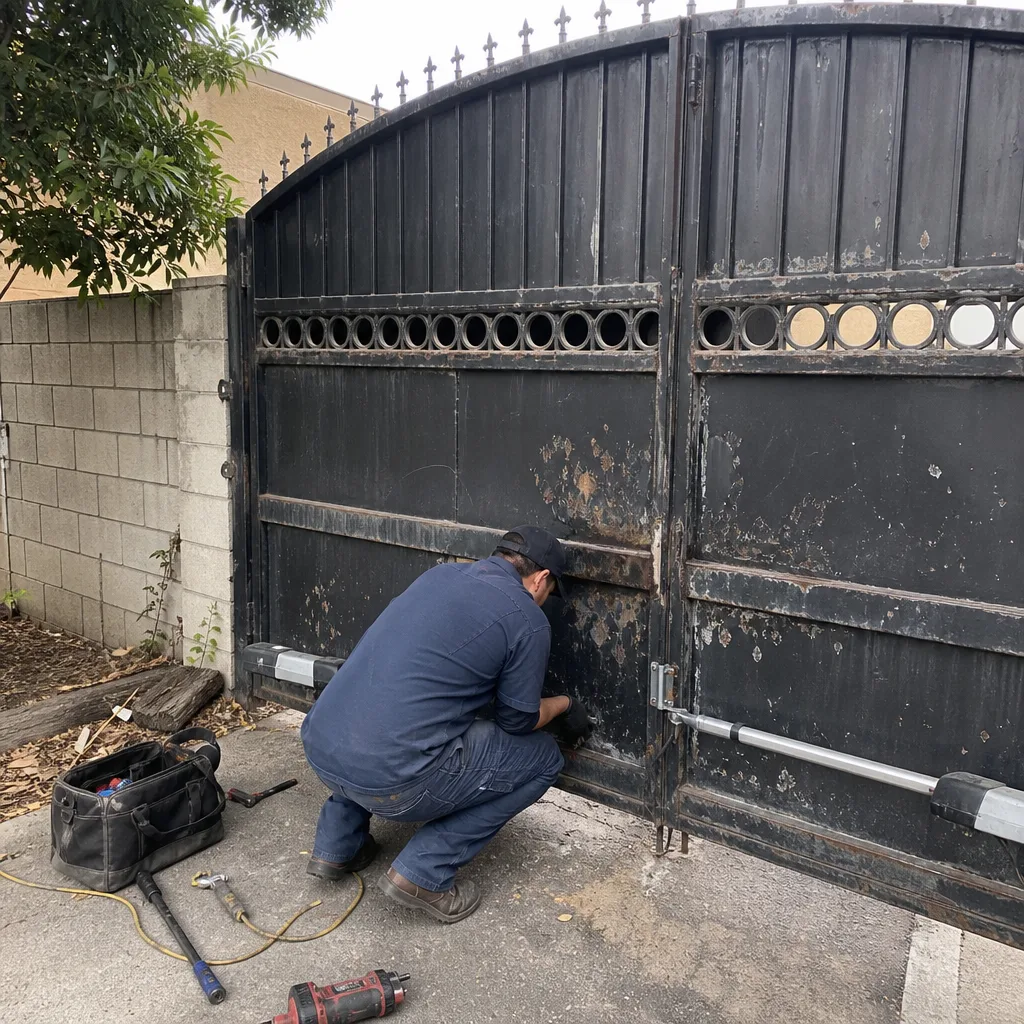 Before
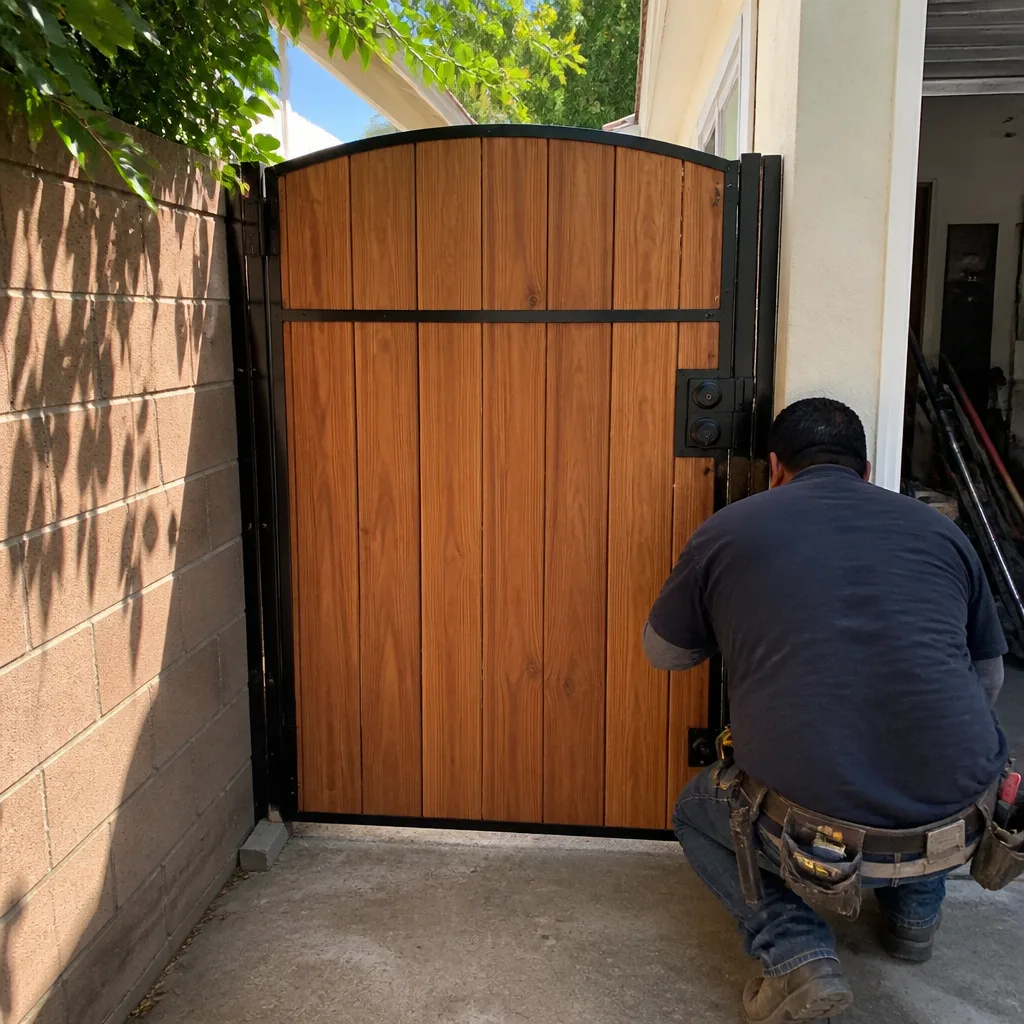 After
AfterSeasonal Gate Repair Care for Sherman Oaks: Year-Round Homeowner’s Guide
Most gate failures in Sherman Oaks don’t happen during a storm. They happen in September and October, on clear, dry days when the Santa Ana winds kick up. Here’s why: your gate spent June through September baking in 100-degree heat, expanding and contracting every single day. That thermal cycling loosened every bolt, every hinge screw, every track bracket. Then the winds arrive, put lateral load on the gate, and the hardware that had been quietly loosening all summer finally gives out. This guide explains the three real stress periods for gates in Sherman Oaks, what happens to metal, wood, and concrete during each one, and the simple seasonal tasks that keep a gate working for years instead of months.
Quick Answer
Seasonal gate care in Sherman Oaks means working around three climate periods, not four traditional seasons: the thermal stress of the heat season from June through September, the wind-load stress of Santa Ana season from October through December, and the moisture stress of the mild wet months from January through March. Homeowners who adjust gate hardware in spring, lubricate properly for temperature swings, inspect wood gates after rain, and test battery backups before winter spend a fraction of what everyone else does on emergency repairs.
Table of Contents
- The Sherman Oaks Climate Calendar for Gates
- Thermal Expansion: The Hidden Enemy of Sliding Gate Tracks
- Spring Maintenance: The Foundation of a Trouble-Free Year
- Heat Season (June-September): What Fails and Why
- Santa Ana Season (October-December): Wind Load and Loose Hardware
- Wet Months (January-March): Post-Rain Wood Gate Inspection
- Seasonal Lubrication for Automatic Gate Motors
- Winterizing Your Gate’s Battery Backup System
The Sherman Oaks Climate Calendar for Gates
Sherman Oaks sits in the southern San Fernando Valley, which means we don’t get the coastal marine layer the way Santa Monica does. Our summers are hotter, our temperature swings are wider, and our winters are mild but wet enough to matter. For a gate, that creates three distinct stress periods that don’t line up with the seasons people usually think about.
The heat season runs from roughly June through early September. Daytime highs routinely cross 95 degrees, and nighttime lows can dip into the 60s. That’s a 30-plus degree swing every 24 hours, which means your gate’s metal components are expanding and contracting on a daily cycle. Over 90 days, that adds up to thousands of micro-movements. Bolts don’t fail catastrophically; they loosen a quarter-turn at a time until something shifts out of alignment.
Santa Ana season typically hits from October through December. These winds come out of the northeast, dry and warm, and they can gust hard enough to knock over patio furniture. For a gate, wind load is a structural test. A 16-foot sliding gate catching a 40-mile-per-hour gust experiences hundreds of pounds of pressure at the top edge. If the track brackets loosened during the heat season, the gate starts to wobble, then scrape, then bind.
The wet months of January through March bring the opposite stress: moisture. Wood gates absorb water and swell. Concrete footings shift slightly as the soil expands and contracts. Metal components rust faster when they’ve been scratched or scraped during the dry months. Sherman Oaks rarely sees freezing temperatures, but we do get enough rain to test every seal, every paint joint, and every piece of hardware that was already stressed from the previous six months.
Planning maintenance around these three periods, rather than around the traditional four seasons, is the difference between a gate that lasts 15 years and one that needs major work every two or three.
Thermal Expansion: The Hidden Enemy of Sliding Gate Tracks
Sliding gates are popular in Sherman Oaks because they don’t need swing clearance, which matters when a driveway is tight. But sliding gates have a specific vulnerability that swing gates don’t: the track.
A steel sliding gate in the Valley can grow by nearly a half-inch between a cold January morning and a 100-degree August afternoon. That’s not an exaggeration; thermal expansion of mild steel is well documented. If the gate was installed without proper clearance tolerances, or if the track brackets have shifted, the gate binds. It scrapes. It strains the motor until the motor burns out or a gear strips. The failure looks sudden, but it’s the result of months of accumulated expansion stress.
The one adjustment that prevents most of the track-related calls we get in late summer is the guide roller gap. Every sliding gate rides between guide rollers that keep it centered on the track. When those rollers are too tight, thermal expansion has nowhere to go. The gate jams. When they’re set with the right clearance, roughly an eighth to a quarter inch depending on the gate’s length, the gate can expand and contract without fighting itself.
Here’s what to check on a Sherman Oaks sliding gate in early March and again in early October:
- Look at the space between the gate and the guide rollers. You should be able to slide a piece of cardboard through with slight resistance.
- Examine the track brackets. If any bolt has visible rust staining or the bracket looks tilted, it has moved.
- Run the gate manually (with the motor disengaged) and listen. A scraping sound is thermal binding. A rhythmic thump is a bent wheel or a damaged section of track.
- Check the gap at the gate’s leading edge when closed against the stop post. If it’s visibly different from the gap at the latch side, the gate has walked out of alignment.
Most homeowners in Sherman Oaks never think about thermal expansion until the gate stops opening. But the fix is simple when caught early, and it’s an adjustment we make in about 20 minutes on a service call, as detailed in The Complete Guide to Gate Repair in Sherman Oaks. Left alone, a binding track destroys motors, strips gears, and eventually cracks the gate frame itself.
Spring Maintenance: The Foundation of a Trouble-Free Year
March through May is the sweet spot for gate maintenance in Sherman Oaks. The rain has stopped, the soil is starting to dry out, and the extreme heat hasn’t hit yet. It’s the window when adjustments stay adjusted, because the metal isn’t fighting temperature swings while you work on it.
Here’s the spring checklist we recommend for every Sherman Oaks homeowner:
- Tighten every visible bolt on the hinge posts, hinges, and latch. Use a socket wrench, not a screwdriver; screwdrivers strip heads without reaching proper torque.
- Check the gate’s level. A spirit level across the top rail at three points, left, middle, right, will reveal sag that’s invisible to the eye.
- Inspect the gap where the gate meets the post. If the gap is different top-to-bottom, the hinge post is moving.
- Clean the track on a sliding gate with a wire brush. Dried mud from winter rain hardens into a gritty paste that accelerates wheel wear.
- Treat any visible rust with a rust converter, then touch up with a matching paint. Bare steel in Sherman Oaks air rusts fast, especially if you’re within a mile of the 405 where vehicle exhaust adds surface acidity.
- Test the manual release on automatic operators. If you can’t open the gate by hand with the motor disengaged, an emergency could leave you stuck.
- Check the safety sensors at knee height. Clean the lenses with a dry cloth. Misaligned sensors are the most common non-weather cause of gates that won’t close.
This is also the right time to get a professional look at anything you’re unsure about. Hal has been doing Gate Repair in Sherman Oaks since 2001, and a spring inspection catches the small things before summer heat makes them into big things. If you find a problem during this seasonal check, Gatewood Fence & Gate home is the place to start.
Heat Season (June-September): What Fails and Why
Summer in Sherman Oaks is when gate hardware shows its true condition. The heat doesn’t create problems so much as expose the ones that were already there. Here’s what to watch for during the hottest months.
Wood gate warping and cracking. The Valley’s summer heat dries wood unevenly. The sun-facing side shrinks faster than the shaded side, which puts the entire gate in tension. Vertical cracks appear near the top and bottom rails. Hinges pull loose from dried-out screw holes. If your wood gate was sealed last fall, the finish should carry through summer. If it wasn’t, June is the time to seal it before the worst of the heat arrives. A gate that’s already warped needs professional attention; a warped gate strains the hinges and the post, and the problem compounds every week it’s left alone. See DIY vs Professional Gate Repair: The Sherman Oaks Homeowner’s Decision Guide to decide when to call in help.
Automatic gate motor overheating. Air temperature is only part of the story. A gate motor in a metal housing on a west-facing Sherman Oaks driveway in August can hit internal temperatures well above its rated operating range. Thermal protection circuits are supposed to shut the motor down before damage, but repeated shutdowns degrade the windings over time. If your motor stops working on a hot afternoon and works again after sunset, that’s the first warning sign that heat is taking a toll.
Chain and belt tension changes. A chain-drive gate operator in 60-degree weather has different tension than the same chain in 105-degree weather. Chains expand when hot, which causes slack. Too much slack and the chain can jump the sprocket. Too little slack in winter and the chain stretches, which shortens its life. This is why seasonal tension adjustment matters in a climate with our temperature swings. It’s a 15-minute job for someone who knows what they’re doing, and it prevents the call we get most often in late August: “my gate made a noise and now the chain is hanging off.”
Track binding on sliding gates. We covered this in detail above, but the heat season is when the symptoms appear. Expansion presses the gate against the guide rollers. The motor strains. You’ll hear it before you see it. A grinding or groaning sound when the gate opens on a hot afternoon is the gate telling you it has a thermal problem. It’s not going to fix itself when the weather cools; the wear has already happened.
During heat season specifically, pay attention to how the gate sounds. In our experience, Sherman Oaks homeowners who notice a new sound and act on it spend $150 on an adjustment. The ones who ignore it spend $800 on a new motor in October. It’s the cheapest insurance you can get.
Santa Ana Season (October-December): Wind Load and Loose Hardware
Santa Ana winds don’t just dry out your skin. They push your gate sideways. A 14-foot steel gate standing 6 feet tall has 84 square feet of surface area. In a 40-mile-per-hour gust, that’s over 800 pounds of lateral force. That force seeks out the weakest connection in the system and stresses it, over and over, for days at a time.
There are three specific failure patterns we see every October in Sherman Oaks:
- Hinge screws wallowing out. When a gate starts rocking under wind load, the hinge screws work themselves loose in the post. The holes get enlarged. After enough cycles, the screws won’t hold at all. The fix is straightforward: replace the screws with through-bolts and a backing plate, or drill and epoxy the holes. What you don’t want is to keep tightening the same screws into the same wallowed holes. It won’t last.
- Cantilever wheel misalignment. Sliding gates that ride on cantilever wheels have little tolerance for lateral movement. Wind pushes the gate sideways, the wheels twist on their axles, and the gate starts dragging. By November, the motor is working three times as hard as it should. If your sliding gate has visible scrape marks along the bottom edge, the wheels need a professional alignment.
- Latch and lock damage. Wind slams gates. A gate swinging freely in the wind hits the stop post hard enough to bend the latch, crack the frame, or break the closer. If you have a set of heavy-duty manual gates, install a drop rod and use it every time. It’s the only thing that keeps the gate from becoming a wind-driven battering ram.
Before the Santa Anas arrive in October, walk around your gate and physically try to shake it. Push it in both directions. If it moves more than a quarter inch at the latch side, something’s loose. That’s the time to call. A that needs work during Santa Ana season almost always needs it urgently, and the sooner it’s addressed, the cheaper it is. That’s been true every year we’ve been doing Gate Repair in Sherman Oaks, and it will still be true this October.
Wet Months (January-March): Post-Rain Wood Gate Inspection
After significant rainfall in Sherman Oaks, wood gates need attention within 48 hours. That’s the window when you can see what the water did before the damage sets in. Here’s a step-by-step inspection list specific to wood gates in our climate.
- Check for swelling at the joints. Wood absorbs water and swells. If the gate fits tightly against the post after rain but opened fine before it, the wood is doing its normal thing. The problem is when the swelling doesn’t reverse. A gate that stays tight days after the rain has absorbed enough water to cause permanent fiber damage.
- Examine the bottom edge. The bottom rail is the first place wood gates fail. It sits close to the ground, catches water splash, and never dries as fast as the rest of the gate. If the bottom rail feels soft when you press a screwdriver into it, the wood is already compromised. Sealing the bottom edge every fall is the best prevention.
- Look for paint or sealer failure. Bubbled paint, peeling sealer, or areas where the finish has lifted away from the wood are entry points for moisture. If you find them, don’t just paint over. Sand the area, apply a wood hardener if the grain is soft, then prime and paint. In Sherman Oaks’s wet season, open wood grain wicks water like a straw.
- Check the hinge area. Water runs down the face of the gate and collects at the hinges. Failures here tell you the gate may have five more months. Dry, tight, and well-painted hinges tell you the gate has good years left. If the hinge screws show rust staining, water has been getting into the wood.
- Test the gate’s weight. A waterlogged gate is heavy. If the gate sags noticeably after rain, the wood is retaining moisture, and that extra weight is stressing the hinges and the post. A professional can adjust and rebalance, but if the wood remains heavy weeks after the rain stopped, it’s a sign the timber is reaching the end of its useful life.
Most wood gates in Sherman Oaks that get inspected within 48 hours of rainfall and given prompt attention to any failed paint or sealer will go five more years without major work. The ones that get ignored through the wet season end up needing panel replacement by the following spring. The difference isn’t the quality of the wood; it’s whether or not someone looked at it while the damage was still surface-level.
Seasonal Lubrication for Automatic Gate Motors
Automatic gate motors need lubrication on a seasonal schedule in Sherman Oaks, not just because they wear, but because the lubricant itself changes behavior with temperature. Oil thins in heat and thickens in cold. Grease does the same, though less dramatically. In a climate that swings 60 degrees between January and August, the lubricant you apply in winter is not performing the same way by summer.
Here’s the seasonal lubrication schedule that works for most Sherman Oaks automatic gates, whether they run on a BFT motor, a Linear operator, or a Viking drive:
- Early March: Clean off winter grime and apply summer-weight lubricant. Summer at 100 degrees needs a thicker lubricant that won’t run off the chain or screw drive. A high-temperature lithium grease on chains and a silicone-based lubricant on hinges and rollers is the right combination.
- Early October: Switch to a lighter winter-weight lubricant. Cold mornings in January make heavy grease stiff, which increases motor draw and can trip the overload protection. A lighter lubricant keeps components moving at lower temperatures.
- Every 90 days year-round: Wipe down the chain or screw drive with a clean cloth before re-lubricating. Old lubricant collects dust and grit, and in Sherman Oaks, that means fine Valley dust that grinds like sandpaper against metal surfaces.
Apply lubricant sparingly. Too much attracts more dust. A light coat is enough. And keep lubricant off the safety sensors and any rubber components; petroleum-based products degrade rubber over time.
For belt-drive motors like some Ghost Controls models, the belt itself doesn’t need lubrication, but the pulley bearings and idler wheels do. A single drop of light machine oil on each bearing point is enough. Over-oiling is worse than under-oiling because the excess flings off and coats everything else in the housing.
If you’re not comfortable doing this yourself, it’s a quick part of any Gate Motor & Opener in Sherman Oaks service call. It’s the kind of thing that takes 20 minutes when it’s routine and costs a motor replacement when it’s neglected.
Winterizing Your Gate’s Battery Backup System
The single most common “my gate won’t open” call we get in Sherman Oaks in January is a battery backup that died during a power outage. The outage was the trigger, but the real problem was a battery that had been slowly losing capacity for months. The fix happens in December, not in January when you’re standing in the driveway in the dark.
Here’s the 10-minute winterization routine for a gate battery backup:
- Check the battery date. Most sealed lead-acid backup batteries last three to five years in Sherman Oaks heat. If the battery is older than that, replace it now, not after the first outage. Heat is the enemy of lead-acid batteries, and our summers shorten their lives compared to coastal climates.
- Test the system under load. Cut power to the gate opener at the breaker, then open and close the gate on battery power. It should operate at full speed, not slowly. A slow gate on battery power means the battery is weak.
- Clean the terminals. Corrosion on battery terminals creates resistance, and resistance means the battery can’t deliver full current. Clean any white or blue corrosion with a wire brush and apply a thin coat of dielectric grease.
- Verify the charger is working. After restoring power, the charger should bring the battery back to full charge within 24 hours. If the battery reads low after that, the charger or the battery is failing.
- Confirm the battery is labeled. Write the installation date on the battery in permanent marker. Without a date, you’re guessing when it’s due for replacement.
In Sherman Oaks, this 10-minute task in December prevents the frustrating January morning when the power is out, the gate is dead, and the car is stuck on the wrong side. Most battery backups use standard sealed lead-acid batteries that you can buy locally, but if you’d rather have it handled for you, this is part of what we check during any seasonal service call.
Common Mistakes to Avoid
- Ignoring a new sound. Gates don’t make noise for no reason. A squeak is a dry hinge. A scrape is a misaligned track. A groan is a straining motor. In Sherman Oaks, these sounds typically appear during heat season, when the hardware is under maximum thermal stress. Acting quickly on a new sound is the difference between a $150 fix and a $900 replacement.
- Tightening the same bolt into the same stripped hole. Once a screw hole in a wood post is wallowed out, tightening it again does nothing. The screw will loosen again within weeks. The proper fix is through-bolting or inserting a threaded insert. Repeated tightening just delays the inevitable and worsens the damage.
- Using WD-40 as a gate lubricant. WD-40 is a penetrant and water displacer, not a lubricant. It cleans and frees stuck parts, but it doesn’t provide lasting lubrication on gate hinges, rollers, or chains. Use a proper lithium or silicone-based lubricant for anything that wears.
- Painting over rust without treating it first. Rust continues to expand under paint. Six months later, the paint bubbles off and the rust is worse than before. Use a rust converter, then prime, then paint. The order matters.
- Waiting until November to think about Santa Ana winds. By the time the winds arrive, the hardware is already loose from summer heat. A quick October inspection before the winds pick up is far easier than dealing with a gate that’s swinging free in a 40-mile-per-hour gust.
- Ignoring the safety sensors. Misaligned or dirty sensors cause gates that won’t close or that reverse unexpectedly. In Sherman Oaks, dust from the dry season accumulates on sensor lenses, and wind shifts gate alignment enough to throw sensors out of line. Cleaning and checking the sensors should be a monthly habit during dry months.
When to Call a Professional
Some gate maintenance is genuinely DIY. But certain situations need the experience that comes from fixing gates in Sherman Oaks since 2001. If your gate has a cracked weld, call a professional. If the gate sags and you’ve already tightened the hinges, call a professional; the hinge post is coming out of the ground or the wood is rotten. If your automatic gate motor makes a grinding noise and the gate still moves, you have a gear problem. If the gate is off its track, if the chain keeps jumping, if the gate shocks anyone with static electricity, or if the motor opens but won’t close, these are all jobs for someone who does this daily and gets genuinely annoyed when he finds sloppy work somebody left behind. Gatewood Fence & Gate offers free estimates in Sherman Oaks - call (818) 873-5061. We also provide Gate Installation in Sherman Oaks and are certified on nine major gate operator brands, so if a repair isn’t practical, we’ll tell you plainly and help you plan the replacement.
Frequently Asked Questions
Twice a year is the minimum: once in March after the rains stop, and once in October before Santa Ana season. Monthly checks of safety sensors and visual inspection of hardware take five minutes and catch problems early. Gates that get twice-yearly maintenance in Sherman Oaks regularly last 15-plus years without major repairs.
Thermal expansion is the answer. Sherman Oaks summer temperatures of 100-plus degrees cause steel gates to expand, and if the guide rollers or track brackets don’t have proper clearance, the expanded gate binds. The fix is adjusting the guide roller gap to allow for expansion. If your gate binds in summer and frees up in winter, that adjustment hasn’t been made correctly.
Yes. A large gate in a 40-mile-per-hour gust experiences hundreds of pounds of lateral force, which loosens hardware, misaligns wheels, and slams gates against stop posts. Installing drop rods on manual gates, tightening all through-bolts in October, and checking wheel alignment on sliding gates before the winds arrive prevents most damage.
Press a screwdriver into the bottom rail. If the wood feels soft and the tool sinks in easily, the wood is compromised. Other signs include cracks through multiple pickets, a gate that sags and won’t recover after tightening, and you expect paint failures that show bare wood. A professional inspection can tell you whether the gate has five more years or five more months.
Clean the chain with a cloth first, then apply a thin coat of high-temperature lithium grease in summer and a lighter lubricant in winter. Sherman Oaks temperature swings mean the right lubricant choice depends on the season. Apply sparingly; excess lubricant attracts Valley dust. Belt-drive motors need bearing lubrication but the belt itself stays dry.
A spring or fall inspection and adjustment typically runs $150 to $300 in Sherman Oaks depending on the gate type and what needs attention. That’s compared with $800 to $1,500 for emergency repairs that often result from skipped maintenance. Gatewood Fence & Gate offers free estimates, $40 off any repair over $200, and a permanent 10% discount for seniors and veterans. Call (818) 873-5061 for an exact quote.
The Bottom Line
Sherman Oaks gates don’t fail randomly. They fail according to a predictable climate schedule: heat loosens them, wind breaks them, and rain rots them. A homeowner who tightens and adjusts in spring, monitors thermal expansion in summer, secures against Santa Ana winds in fall, and inspects wood gates after winter rain will spend dramatically less on gate repairs over the life of the property. The maintenance calendar in this guide gives you that framework, and for more guides & resources on keeping your gate in top shape, explore our blog. Everything in it works whether your gate is manual or automatic, wood or steel, swinging or sliding. Do the seasonal work, act on the first sign of a problem, and your gate will do its job quietly for years.
Need help with seasonal maintenance or a repair that can’t wait? Call Gatewood Fence & Gate at (818) 873-5061. We answer with a live person, 24 hours a day, 7 days a week, and we’re based right here in Sherman Oaks. Every job carries the 90-Day Done Right Promise in writing, no fine print and no runaround. The price is quoted and agreed before any work starts, always.
Written by Hal Gatewood, Owner at Gatewood Fence & Gate, serving Sherman Oaks since 2001.